
find the best unit to suit your locate
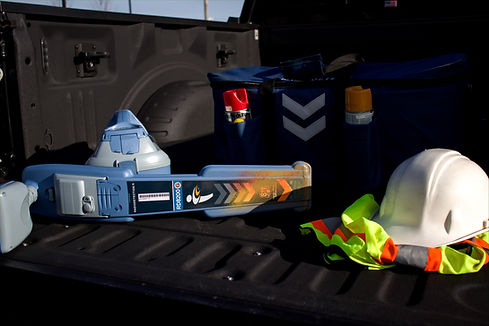
Cable and pipe locating is the process of finding the position, depth, and direction of buried utilities before excavation or construction.
Commonly Find
Electrical power cables
Communication and fiber optic cables
Gas pipelines
Water mains
Sewer lines
Storm drains
Irrigation systems
Tracer wires attached to plastic utilities
Gas locating equipment helps safely identify and inspect underground gas infrastructure. Electromagnetic utility locators trace the path and estimate the depth of buried gas pipelines, while gas leak detectors identify escaping methane and other combustible gases.
Working together
Many gas utility crews use both tools on the same job:
1.Locate the gas line using an electromagnetic utility locator.
2.Survey for leaks using a flame ionization detector or gas leak detector.
3.Pinpoint the leak and perform repairs.


Sewer cameras and inspection reels allow professionals to inspect the inside of underground pipes without excavation. High-resolution cameras are pushed through sewer and drain lines to identify blockages, cracks, root intrusion, corrosion, collapsed sections, and other defects.
Digital documentation – Record inspections with photos and video for maintenance records, customer reports, and insurance documentation.
Multiple reel sizes – Available for small residential drain lines through large municipal sewer mains.
Durable construction – Designed to withstand harsh underground environments and frequent field use
An LMIC water leak detection system helps utility professionals accurately locate leaks in underground pressurized water pipes by using advanced acoustic technology. It detects the sound of water escaping from pipes and pinpoints the leak's location with minimal excavation.
Some key capabilities of LMIC water leak detection systems include:
-
Locating hidden leaks in underground water mains and service lines
-
Detecting leaks in metal and many plastic pipe systems
-
Reducing unnecessary digging by pinpointing the leak location
Pipeline corrosion locator kits, such as the PCMx, are designed to assess the condition of underground pipelines and evaluate the effectiveness of their corrosion protection systems. Using cathodic protection survey techniques, these systems help identify coating defects, areas of corrosion activity, and locations where pipelines may be vulnerable to deterioration.
They can be used on:
Steel natural gas pipelines (transmission and distribution)
Cast iron gas mains
Ductile iron water mains
Steel water pipelines
Oil pipelines
Refined petroleum pipelines
Chemical and industrial process pipelines
Underground storage tank piping
These systems help locate:
Coating defects (holidays)
Areas where corrosion is occurring
Weak or inadequate cathodic protection
Stray current interference
Sections of pipe requiring maintenance or repair
